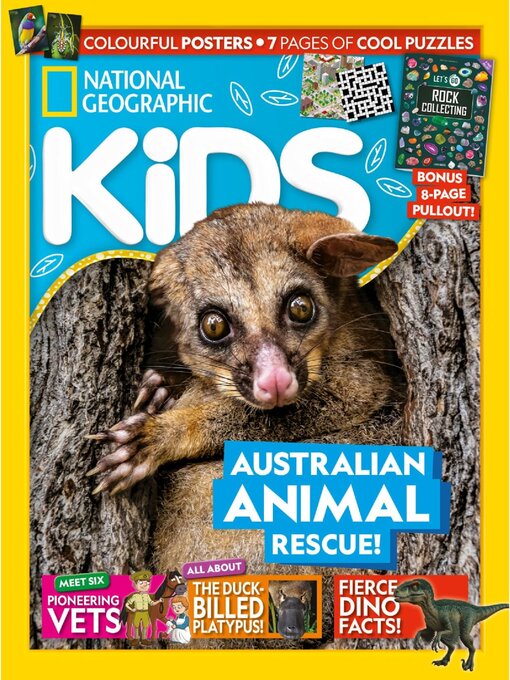
 Issue 136
 Issue 135
 Issue 134
 Issue 133
 Issue 132
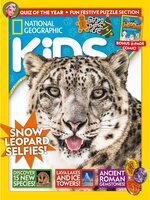 Issue 131
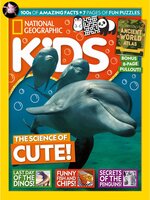 Issue 130
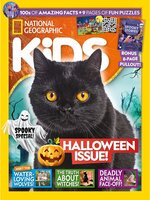 Issue 129
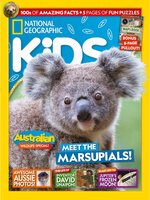 Issue 128
 Issue 127
 Issue 126
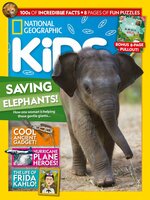 Issue 125
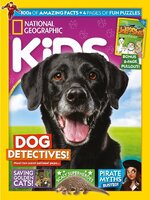 Issue 124
 Issue 123
 Issue 122
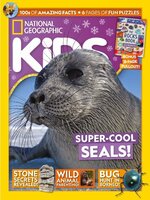 Issue 121
 Issue 120
 Issue 119
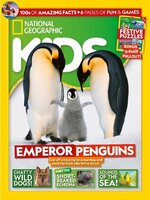 Issue 118
 Issue 117
 Issue 116
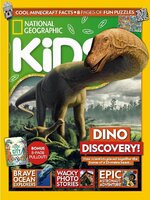 Issue 115
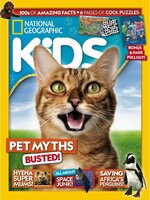 Issue 114
 Issue 113
Perfect for nature-loving 7-12 year olds, each issue of Nat Geo Kids is carefully curated to ignite curiosity and spark conversations about science and nature, empowering children to love and care for our beautiful planet.
NATIONAL GEOGRAPHIC KiDS
WACKY WORLD! • The planet's strangest pictures…
COOL NEWS • Inspiring stories from around the globe…
THE BIG PICTURE • NAT GEO KIDS’ image of the month
VETS ON WHEELS • Wild critter in distress? Don't worry – the animal doctors are on their way!
HOW YOU CAN HELP WILDLIFE!
DUCK-BILLED PLATYPUS • Meet the astonishing Australian creature found nowhere else on Earth!
PIONEERING VETS • Veterinarians look after our pets, farm animals and even wildlife. Meet some incredible people who've revolutionised the way we care for creatures…
10 MARVELLOUS FACTS ABOUT MARSUPIALS
30 COOL THINGS ABOUT DINOSAURS
JUNIOR EXPLORERS’ CLUB
CROSSWORD • You might want to work together with a grown-up to complete this puzzle!
AUSTRALIA SEARCH • All but one of these Australian places are hidden in this grid. Which one is missing?
TRAIN YOUR BRAIN • Boost your brain with these mind-boggling tests and challenges!
CITY SPOT THE DIFFERENCE • Can you find the 50 (yep, FIFTY!) differences between these two city scenes?
QUIZ WHIZZ
Dudes in Distress • Ask a friend to give you words to fill in the blanks in this story without showing it to them. Then read it out loud for a laugh!
PAPER DAISY CHAIN
FUN STUFF ANSWERS
National Geographic Kids (AU/NZ)
A WORLD OF ROCKS • Some rocks are found across the world, while others are very rare or mined in only certain places. Take a look at this map to see where some well-known rocks are most commonly found…
THE DOS AND DON'TS OF ROCK COLLECTING • It's important to know a few key rules to be a safe and responsible rock collector. Always remember that rocks come from nature, and we must protect our natural world and be kind to it, too.
IDENTIFICATION STATION • Once you have some finds, it's time to dig deeper and discover more about them. Become a rock sleuth and learn to interpret the clues in front of you.
LABEL YOUR FINDS • Once you've collected some interesting specimens, you'll need to keep them safe in your very own rock collection.